CopyRight © 2026 Jiangsu Sinchao Metals Tech Co., Ltd. all rights reserved


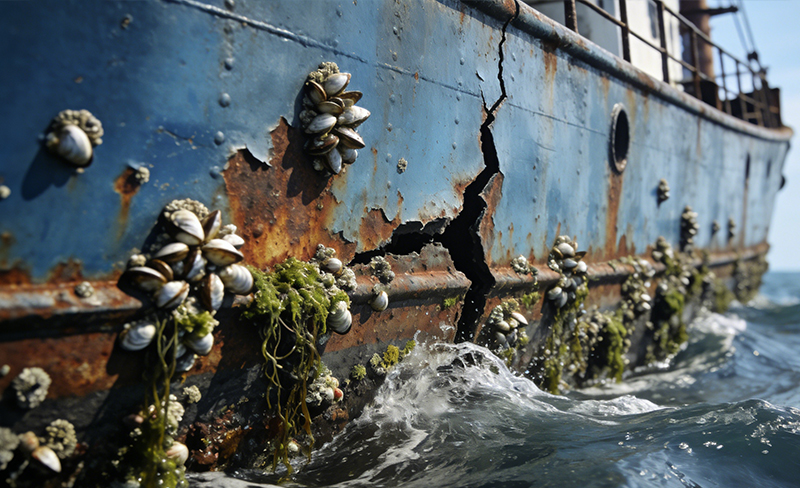
Steel plates undergo electrochemical corrosion and marine organism attachment in seawater, leading to increased navigation resistance (Rising fuel costs), weakened structural strength, and frequent expensive dry dock maintenance
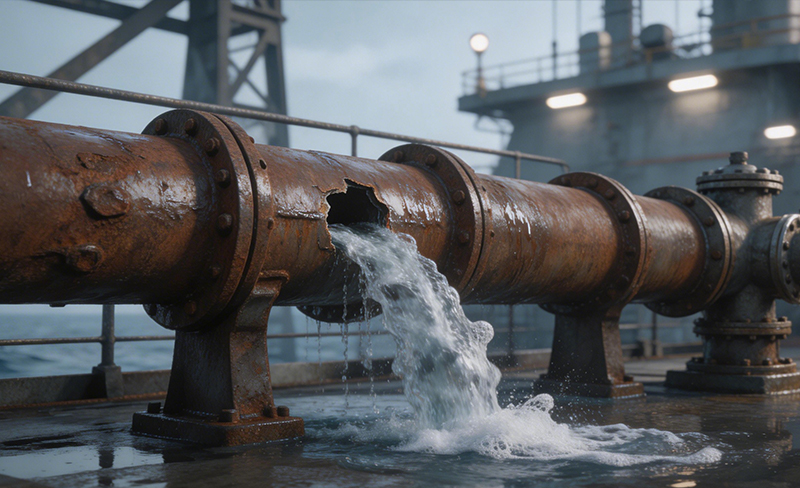
Seawater pipelines, ballast tanks, heat exchangers, and other systems leak due to corrosion, causing shutdowns, safety accidents, and expensive emergency repairs.
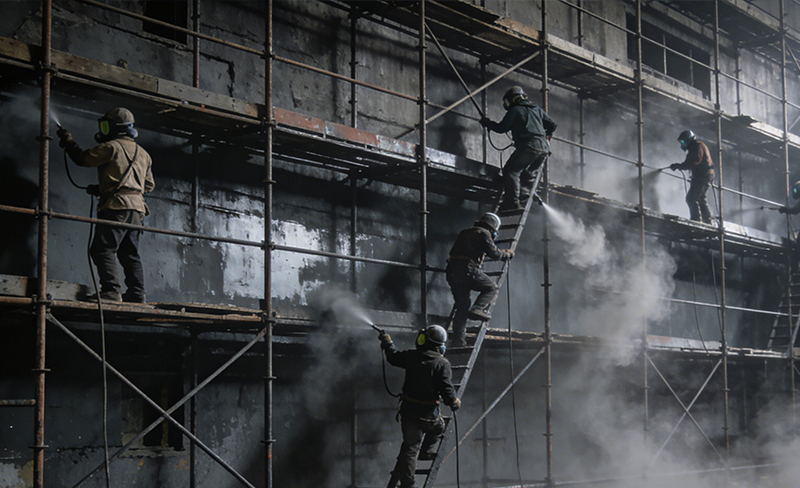
Traditional sandblasting and coating maintenance relies on scaffolding and large amounts of labor, with major risks such as high-altitude falls and health damage (Dust), and low efficiency and long cycles.
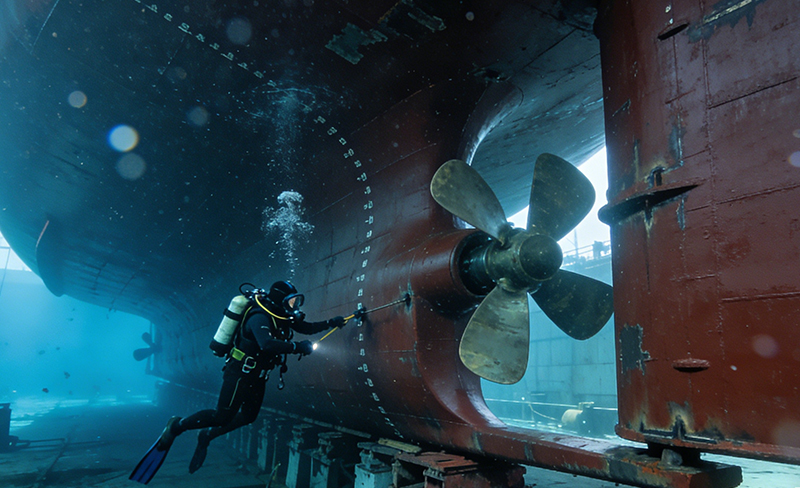
Inspection of underwater structures and hull plating often requires ships to enter dry dock or hire divers, with high costs and inability to achieve normalization.
lithium source (such as Lioh) in ncm materials is extremely alkaline at high temperature and has high fluidity. We use α-phase strengthened alumina-based composite material, whose crystal phase is extremely stable in this temperature zone and alkaline environment, can effectively block lithium ion diffusion channels.
Aiming at the characteristic of volume shrinkage after sintering of this material, we designed specific inner cavity inclination angle and micro-texture surface, which is convenient for demolding and can reduce contact stress between material and sagger, prevent adhesion.
Laboratory test life: Under simulated working conditions, after 150 consecutive sintering, no cracking appeared, flexural strength retention rate >85%.
Test on sintered materials, key impurity increment did not exceed detection error range.
On a head battery material enterprise production line, average service life increased from about 70 times to 160 times, product magnetic foreign matter qualification rate significantly improved.
Provide long-life, high-purity solutions, ensure gram capacity and cycle performance.
Meet the ultimate control requirements for alkali metal impurities (Such as Na, K).
Adapt to their unique sintering temperature curve and atmosphere requirements
Withstand reducing atmosphere and silicon activity during carbonization.
The lithium source (such as LiOH) in NCM materials has strong alkalinity at high temperatures and high fluidity. We use alpha; -The phase reinforced alumina based composite material has a relatively stable crystal phase in this temperature range and alkaline environment, which can effectively block the diffusion channels of lithium ions.
We have designed specific internal cavity inclination angles and micro textured surfaces to address the volume shrinkage characteristics of the material after sintering. This not only facilitates demolding but also reduces the contact stress between the material and the bowl, preventing adhesion.
Laboratory test life: Under simulated working conditions, after continuous sintering for 150 times, no cracking occurred, and the flexural strength retention rate was>85%.
After use, the sintered material was subjected to ICP testing, and the increment of key impurities did not exceed the detection error range.


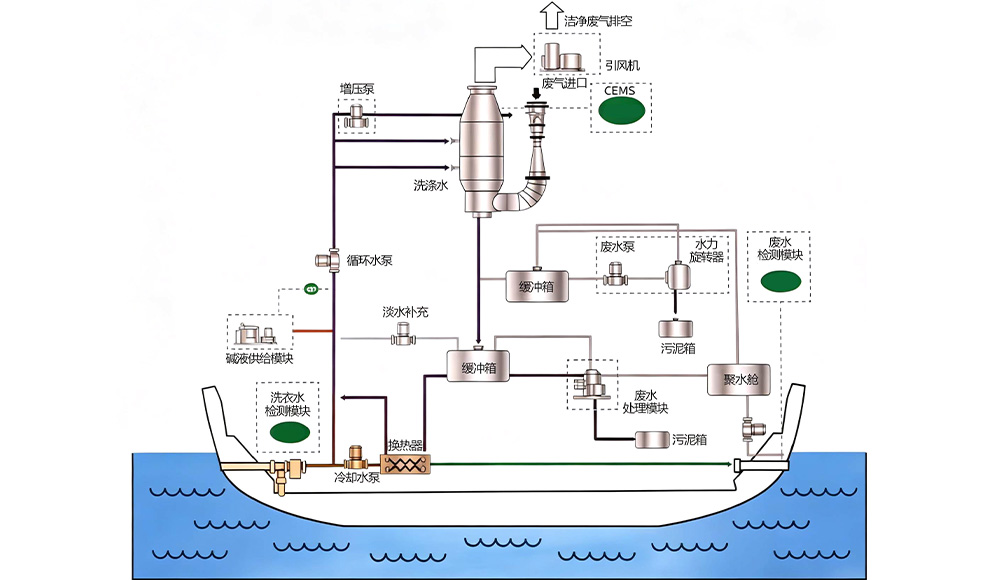
The flue gas desulfurization device is an auxiliary equipment of thermal power plants, which can prevent air pollution. The flue gas desulfurization device of coal-fired power generation equipment contains chlorides that cause environmental pollution. The use of commonly used N08904 (904L), N08367/AL-6XN, S31254/254SMO, N08926 (1.4529) super austenitic stainless steel in environments with chloride ion concentrations exceeding 10000 ppm can reduce equipment wear and tear costs and extend service life.
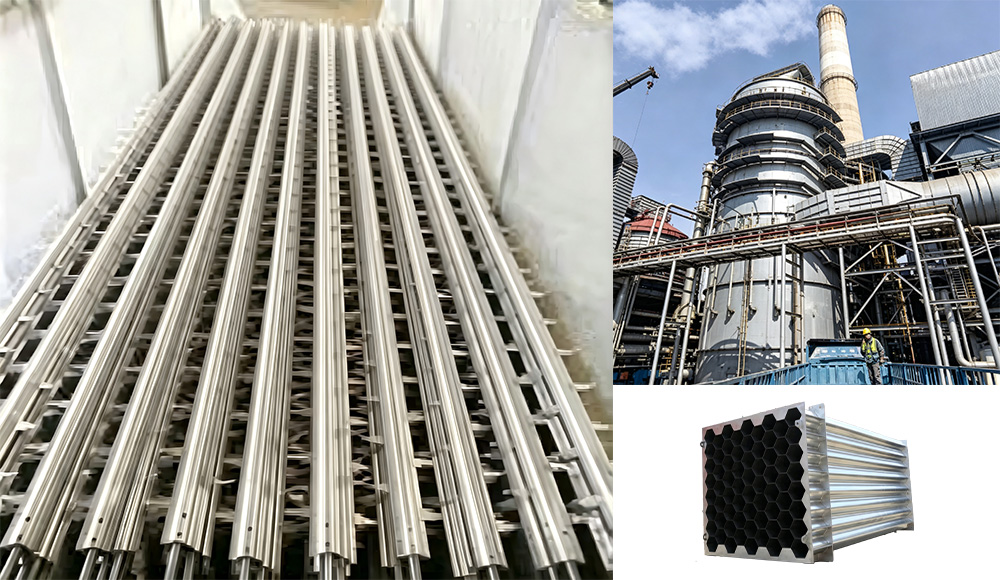
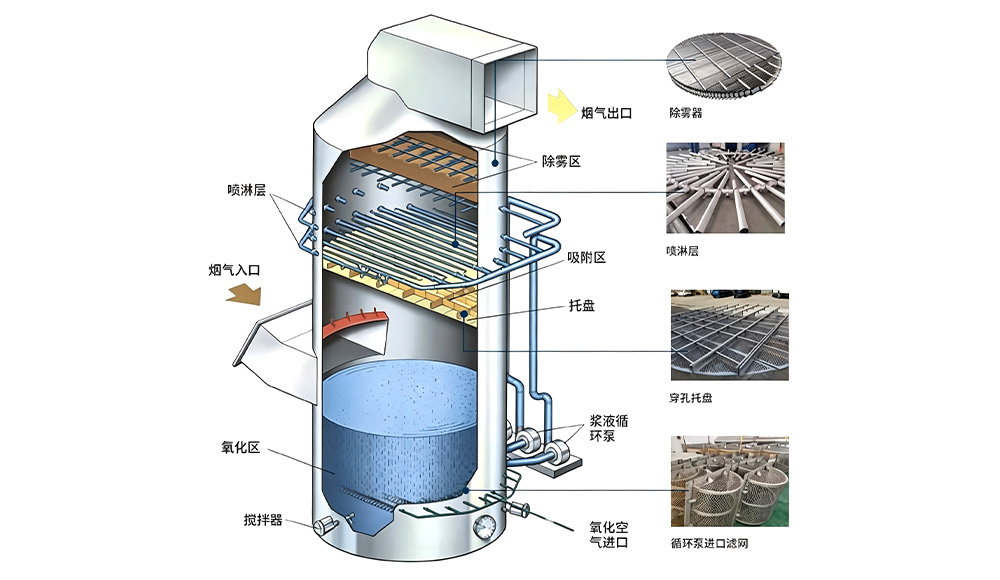
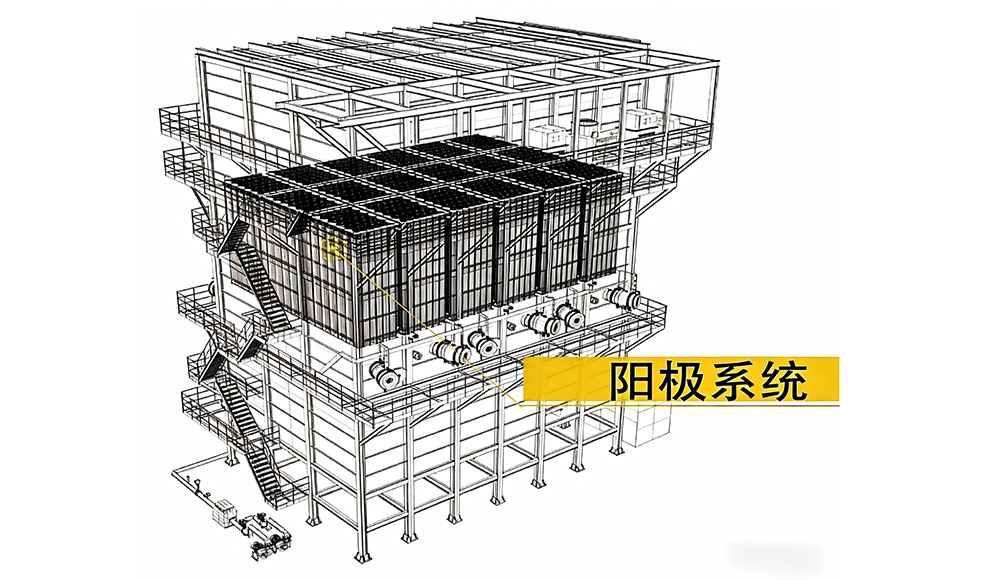
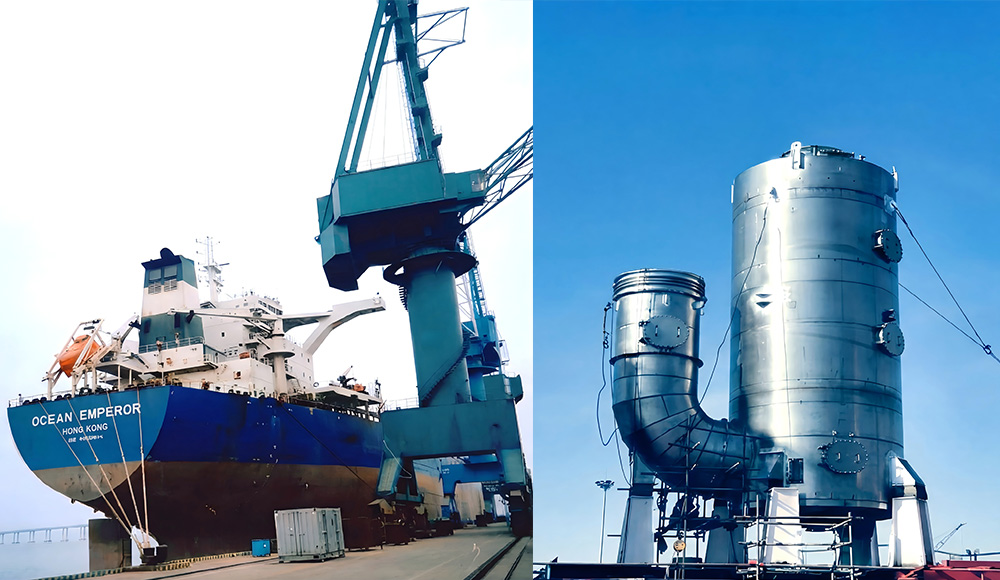
The materials of the exhaust gas desulfurization device are exposed to exhaust gas containing sulfur and chlorine for a long time, and there may also be high humidity corrosion loads due to seawater. Common types of corrosion in abandoned desulfurization equipment include uniform corrosion, intergranular corrosion, pitting corrosion, crevice corrosion, etc. Choosing appropriate materials is the key to extending the service life of exhaust gas desulfurization devices. Our company provides nickel based alloys and special stainless steels such as NO8926/1.4529 NO8367/AL-6XNS31254/254SMO 31alloy 2507 for the manufacturing of ship engine exhaust gas desulfurization devices, which play a crucial role in wet corrosion environments.
• Double-walled tube • Ship desulfurization
• Prefabricated pipe • LNG Ship
• Chemical tanker • Ocean platform
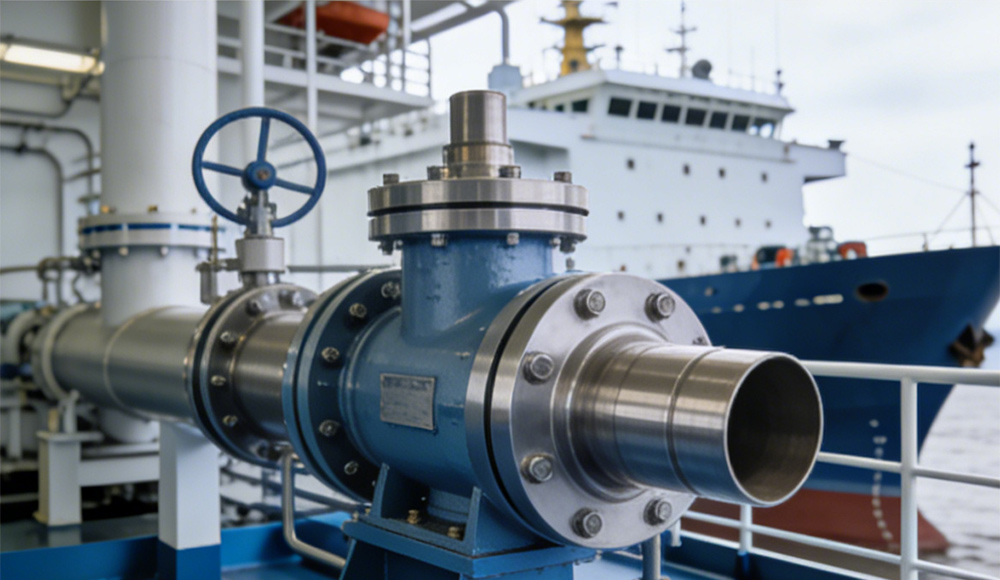
• Titanium seawater heat exchanger/Pipeline system • Copper-Nickel alloy marine fittings
Material principle: Titanium is completely immune to seawater, zero corrosion; copper-nickel alloy is corrosion-resistant and prevents marine organism attachment. Direct replacement of vulnerable parts, lifespan can reach 20-30 years, lifetime maintenance-free.
Cure the problem of frequent leakage and replacement of key systems due to corrosion, ensuring permanent reliability of core systems.
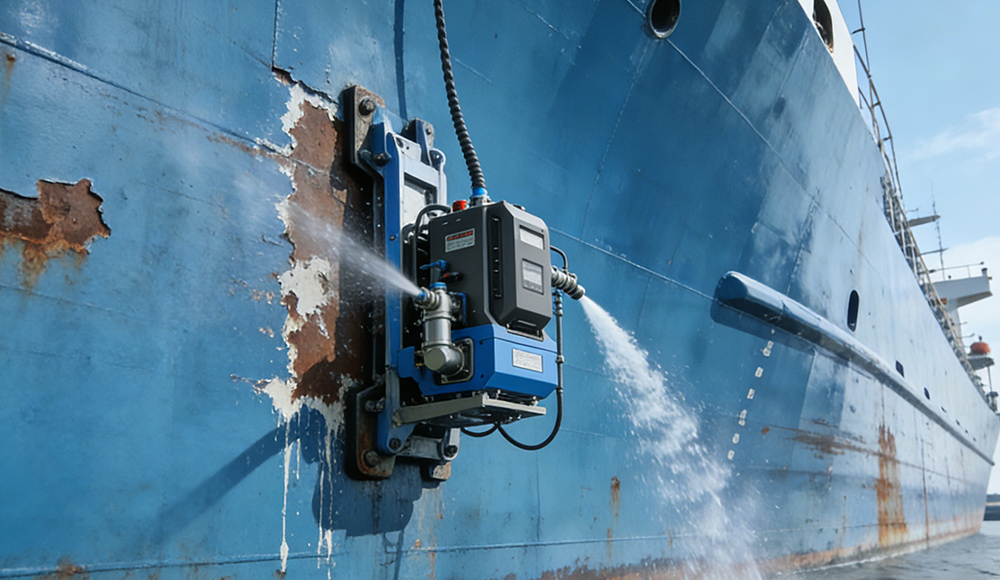
Wall-climbing spraying robot
Technical principle: The robot is equipped with ultra-high pressure water jet (2800 bar), purely physical method to strip rust and old coating, no dust, no damage to substrate, efficiency is 5-10 times that of manual.
Rectify the frequent leakage and replacement issues caused by corrosion in critical systems, ensuring the permanent reliability of the core system.
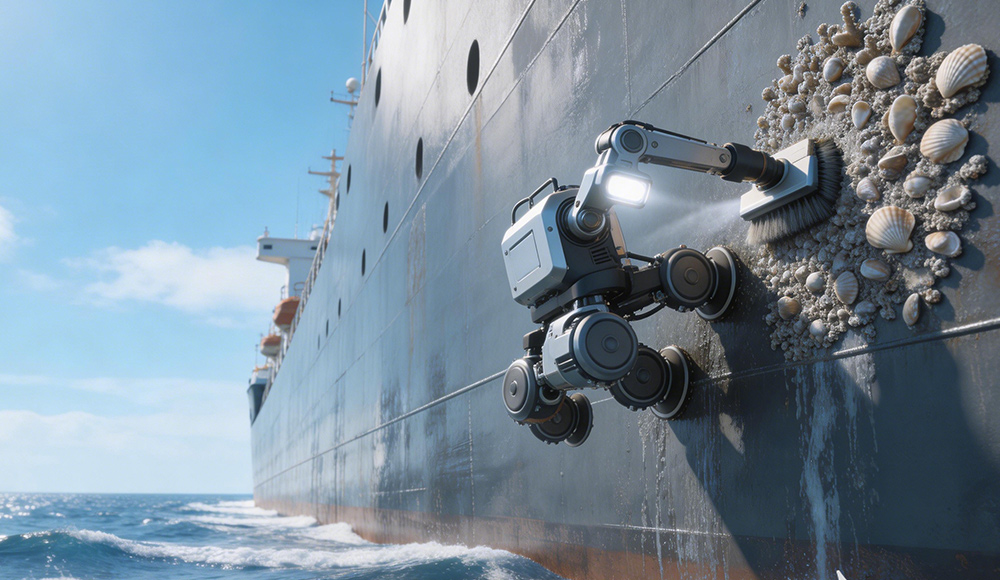
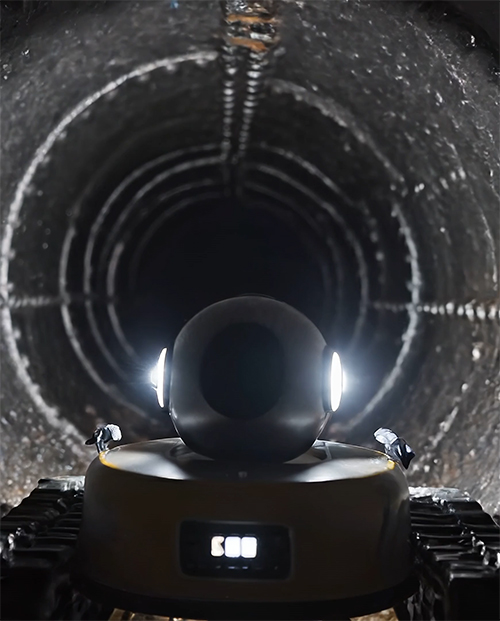
Magnetic adsorption marine organism cleaning/Inspection robot
Technical principle: The robot carries cameras and sensors, can conduct online inspection and marine organism cleaning of underwater hull when ships are docked or anchored, avoiding their large accumulation increasing fuel consumption.
Change "Regular dry dock inspection" To "Normalized health management", discover damage in advance, greatly reduce unplanned dry docking.
The titanium alloy grid fin adopts a honeycomb-like winglet structure with a rectangular frame and an internal angle of ±45°, resembling a "flyswatter". This design achieves the following functions through the coordinated work of mult...
Extremely corrosion-resistant Under working conditions where ordinary stainless steel would quickly become perforated, titanium can last for many years Light weight, high strength About 45% lighter than stainless steel, with low installation and suppor...
Clean the furnace chamber Regular cleaning: After each use, wait for the furnace chamber to cool down to below 200℃, then use a soft-bristled brush or vacuum cleaner to remove any residues, to prevent corrosion of the furnace tubes or interference with t...
Lightweight yet Highly Strong: The density of TA2 titanium alloy is approximately 4.51g/cm³, which is only about 60% of steel, yet its strength is comparable to many high-grade steels. This characteristic enables TA2 titanium alloy to reduce weight i...
1. Industrial field Chemical pipeline: transporting highly corrosive media (such as sulfuric acid and hydrochloric acid), with the inner tube made of PTFE or titanium alloy, the outer tube made of carbon steel, and an interlayer for corrosion prevention ...
The 310S rotary kiln achieves dynamic heating of materials through the rotation of its cylinder. Its core design includes: Furnace tube structure: Material: 310S seamless steel pipe or welded pipe is used, with the wall thickness customized according to...