Product Introduction

       Medical devices such as pacemakers, valves, stents, dental orthodontic wires, surgical clamps, orthopedic implants, plastic surgery devices, magnetic resonance imaging, etc. all require cutting-edge materials to ensure the service life and performance of the equipment. The materials provided by the new superalloys, such as titanium and HAYNES25 (L605), as well as other nickel based alloys, meet the needs of the medical device industry. These materials are required to meet the stringent demands of the industry from the beginning of smelting.
         

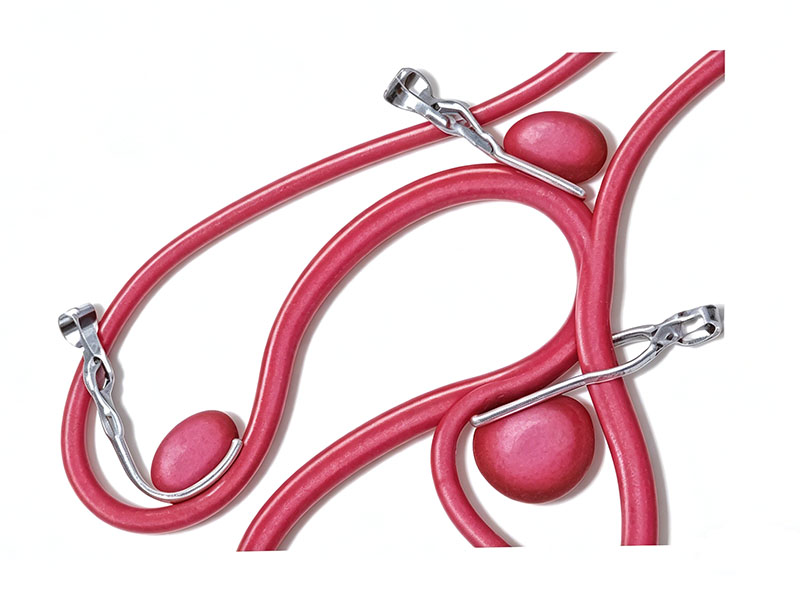
Aneurysm anastomosis clip
 
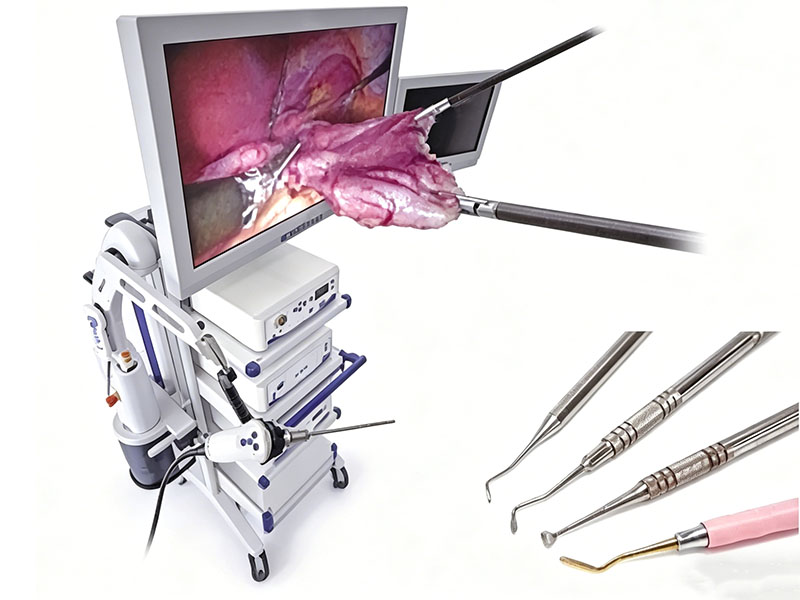
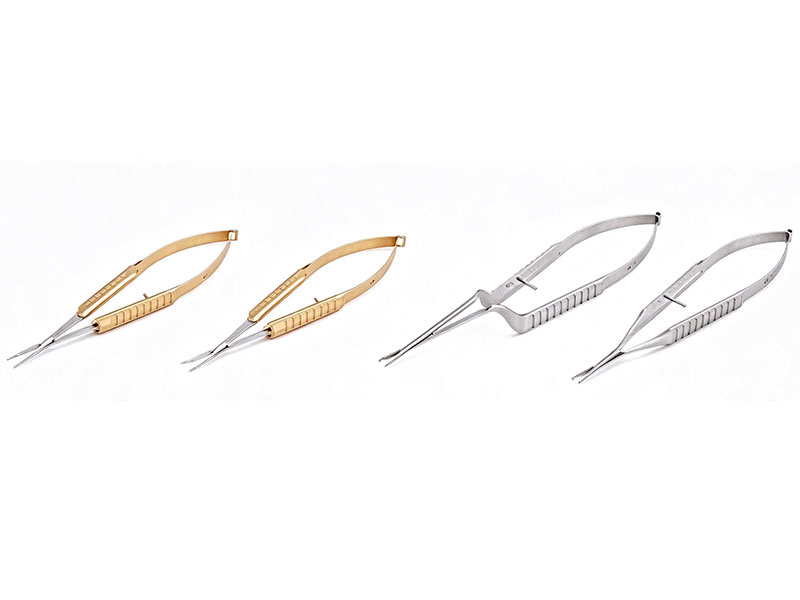
Surgical instruments
 
Stapler
         

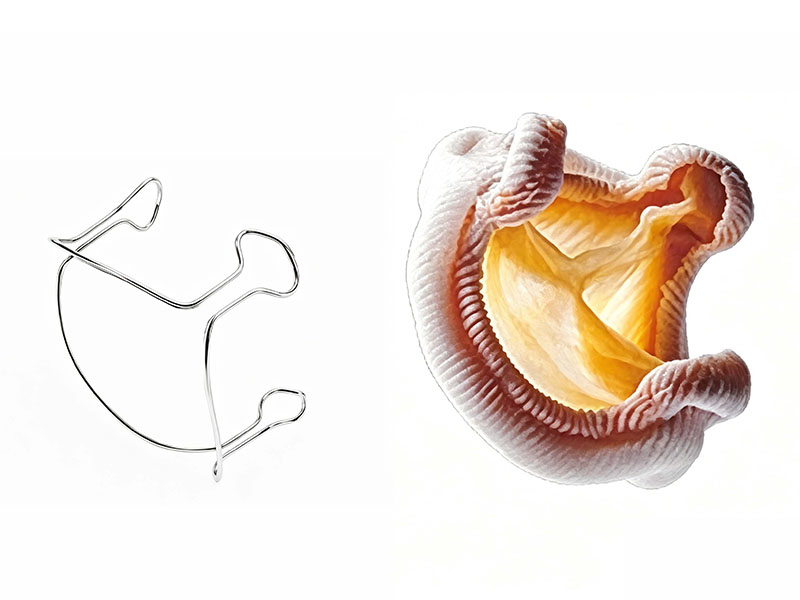
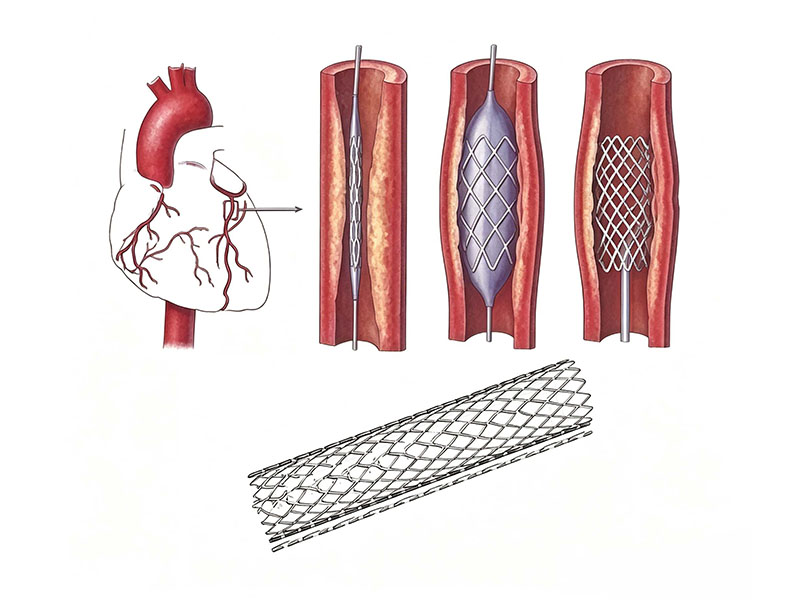
Heart valve stent
 
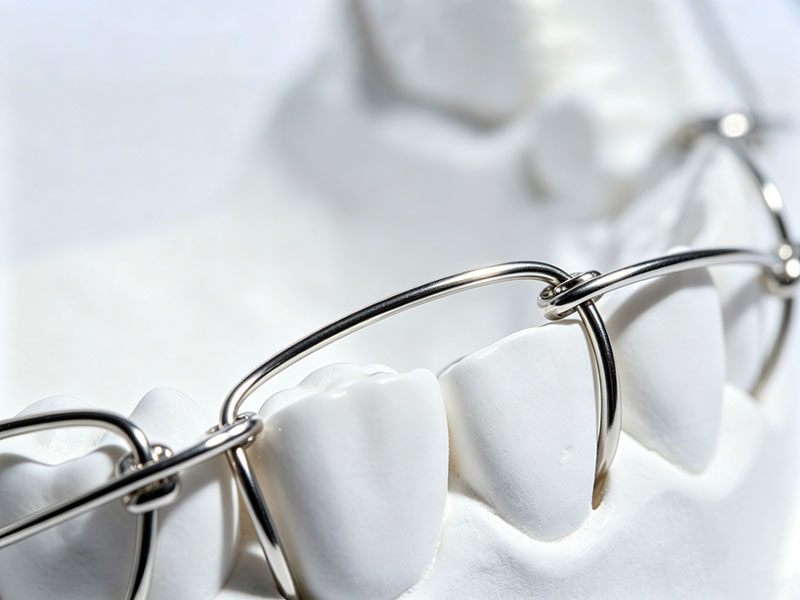
Orthodontic treatment
 
Support

Conduct preliminary corrosion analysis and material selection evaluation for you
Submit your most challenging medium composition, concentration, and process parameters, and our material engineers will conduct preliminary corrosion analysis and material selection evaluation for you
1. Core media components (key)
Please provide the full chemical name and avoid using colloquial names。
Trace impurities are often the culprits of corrosion, please make sure to list them in detail。
2. Process condition parameters
Intermittent production requires specifying the heating/cooling frequency, which affects the thermal fatigue life。
3. Current pain points and expectations
4. Contact Information
Our project cooperation process
  • 01
    Requirement interview & Condition diagnosis
    Send a "Technical + business" Composite team for on-site survey, conduct medium corrosivity analysis, identify the most harsh corrosion, temperature, and pressure conditions.
  • 02
    Material science & Engineering solution design
    Recommend optimal materials (Tantalum/Titanium/Nickel-based Alloys) based on thermodynamics and corrosion data. Preliminary mechanical and fluid design: Complete core structure calculation and process simulation
  • 03
    Solution visualization & Commercial confirmation
    Provide 3D models/schematics, process descriptions, material verification reports (optional), and issue formal proposal documents including technical specifications, inspection standards, quotations, and cycles
  • 04
    Raw material precision procurement & Quality inspection
    Initiate qualified supplier procurement, conduct spectral analysis and mechanical property re-verification on plates, pipes, and welding materials, ensuring material certificates match the actual items.
  • 05
    Core process & Extreme manufacturing
    Execute core processes such as special welding (e.g., TIG welding), explosive cladding, and precision forming in clean room environments, and record key process parameters
  • 06
    Process quality node control
    Execute welding Non-destructive testing (RT/UT/PT), dimensional inspection, pressure testing, etc., set multiple quality release points, Non-conforming products never flow to the next process. Provide special inspection institute test reports
  • 07
    Final product inspection & Factory testing
    Conduct overall pressure test, quality inspection report, cleanliness check, organize completion document package (including design drawings, material certificates, inspection reports, operation manuals)
  • 08
    Professional delivery & Installation support
    Provide professional packaging and transportation solutions, and dispatch engineers for on-site technical disclosure, installation guidance, and debugging support to ensure equipment positioning.
  • 09
    Continuous tracking & Knowledge iteration
    Establish customer equipment files, regular follow-up visits; feed back operation data to material and design ends, form a technical closed loop for subsequent solution optimization.