CopyRight © 2026 Jiangsu Sinchao Metals Tech Co., Ltd. all rights reserved


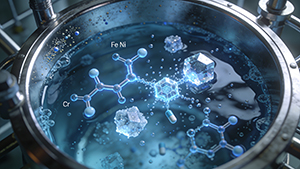
Trace metals leached from equipment (e.g., Fe, Ni, Cr) may catalyze side reactions, alter the crystalline form of drugs, or affect the safety of pharmaceutical products.
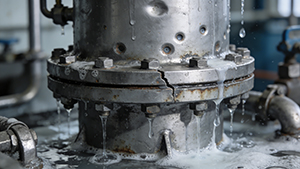
Hydrochloric acid, hydrobromic acid, aqua regia, chlorine containing solvents, etc. can cause uniform corrosion, pitting corrosion, or stress corrosion cracking of equipment, leading to leakage and production interruption.
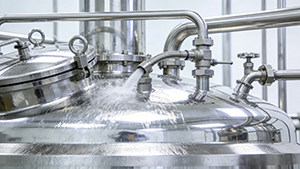
The surface of the equipment must be smooth, free of dead corners, easy to clean, and able to withstand CIP/SIP (online cleaning/sterilization) to meet the stringent standards of GMP and FDA certification.
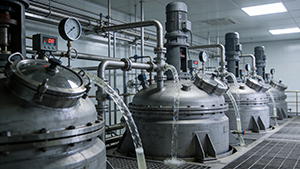
During the continuous production process, equipment must ensure reliability for months or even years, and any unplanned downtime is costly.
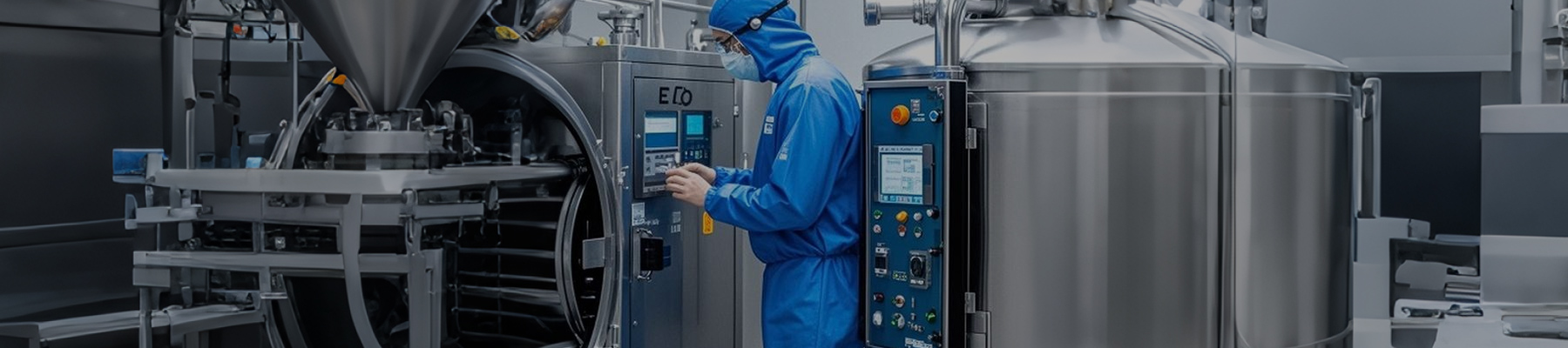
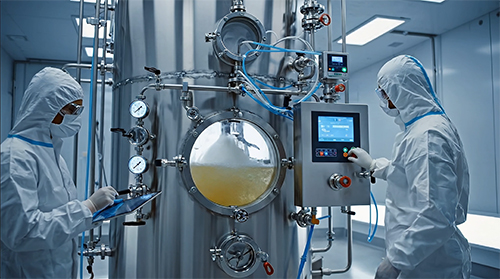
We provide a complete equipment system centered around special materials such as tantalum, titanium, zirconium, and Hastelloy,
covering the entire process from synthesis, separation, concentration to recovery
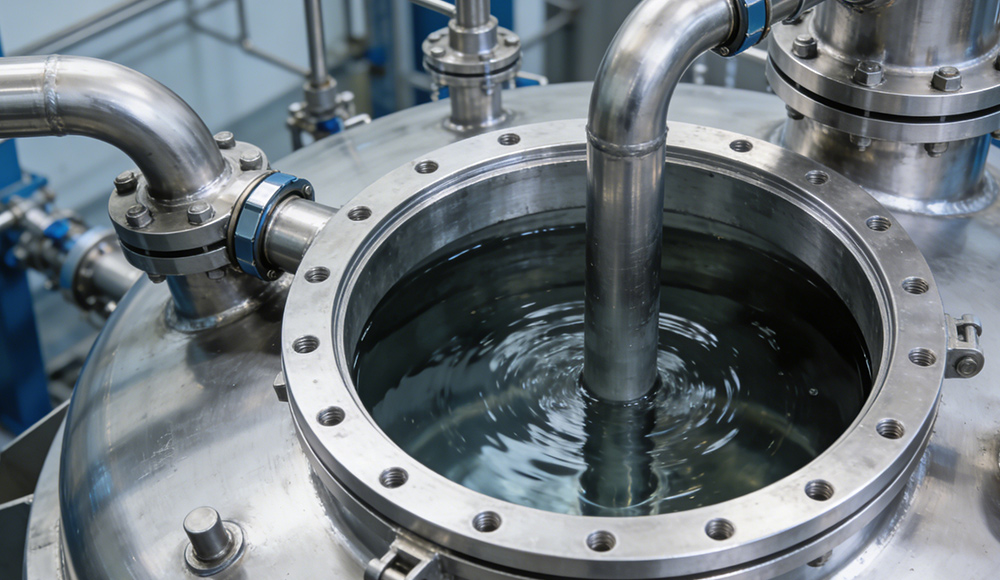
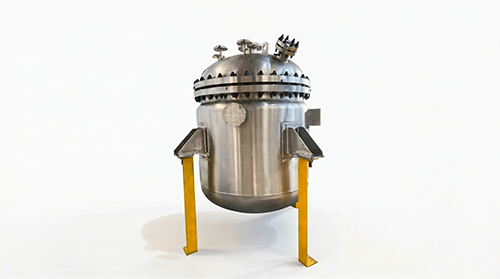
• Tantalum/Zirconium lined Reactor • Hastelloy pipeline reactor
Tantalum/zirconium: a naturally dense oxide film with a corrosion rate of<0.01mm in most strong acids and halides, and is absolutely inert. Process: Helium mass spectrometry leak detection is used to ensure absolute sealing of the lining layer.
Eliminate metal ion pollution, tolerate harsh corrosive media, ensure correct reaction pathways and raw material purity.
• Titanium/tantalum falling film evaporator • Multi effect evaporation system
Titanium/Tantalum: Good thermal conductivity combined with falling film process, high heat transfer coefficient, short material residence time (only a few seconds). Process: Surface electrolytic polishing, Ra value ≤ 0.4 μ m, meets sterile requirements. "
Handle heat sensitive materials professionally to prevent decomposition; Smooth surface easy to clean, compliant with GMP.
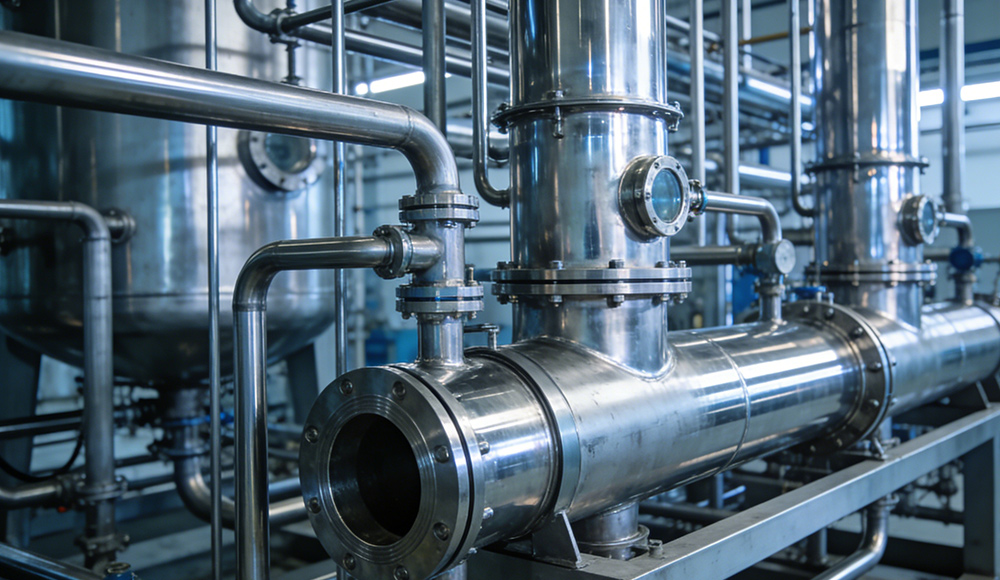
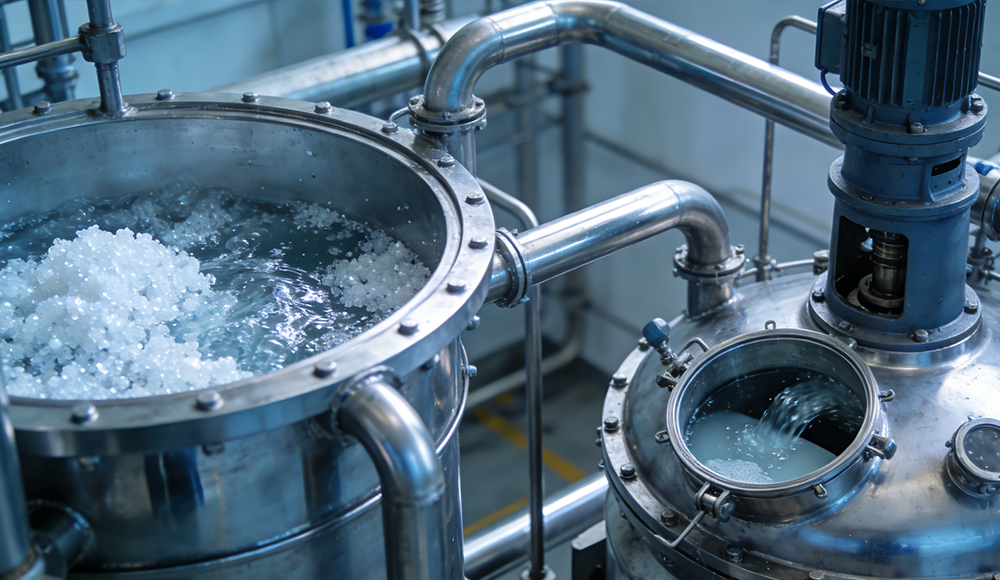
• Titanium crystallization evaporator • Tantalum centrifuge/filter
Titanium material: resistant to salt crystallization wear, less prone to scaling on the surface, high purity of crystal products. Design: optimized structure, no fluid dead corners, easy to thoroughly clean
Obtain uniform high-purity crystals, shorten batch time, and reduce the burden of cleaning and verification.
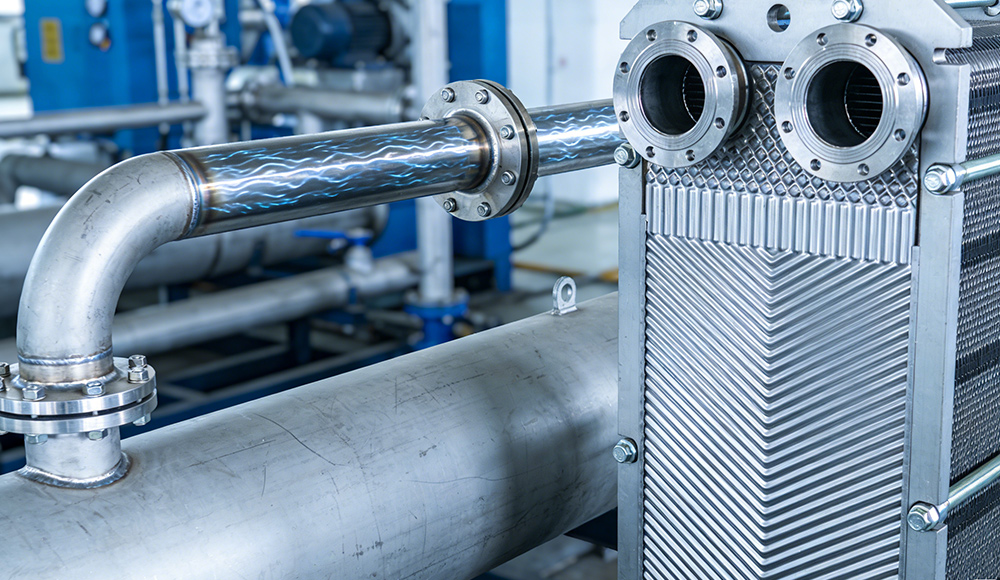
• Titanium/Tantalum Thin walled Tube Heat Exchanger • Fully welded plate heat exchanger
Thin walled titanium/tantalum tube: achieves heat transfer while ensuring corrosion resistance. Process: fully automatic track welding to ensure that the weld quality is consistent with the base material
Realize precise process temperature control, avoid local overheating or cooling, and eliminate the risk of leakage.
 Material selection database
We have a material medium matching database based on a large number of corrosion experiments, which can provide data supported selection recommendations for your specific process medium, rather than empirical speculation.
 Special welding and testing
For active metals such as tantalum and zirconium, we perform welding in high-purity inert gas shielded chambers and conduct 100% radiographic testing (RT) and fluorescent penetrant testing (PT) on all important welds, providing traceable reports.
 Surface treatment technology
We can provide various surface treatment solutions such as electrolytic polishing and mechanical polishing to meet the requirements of different cleanliness levels, and provide roughness (Ra) testing reports.
 Compliance support
Equipment design and manufacturing can comply with relevant specifications such as ASME BPE and GMP, and necessary material certification (MTC) and completion documents can be provided to assist your audit and verification.
The customer was previously plagued by severe corrosion of equipment by perchloric acid, short production cycles, and unstable metal impurity content in the product. We have customized an evaporation kettle with a three-layer composite explosive lining of "stainless steel titanium tantalum". The titanium transition layer resolves thermal stress, while the tantalum lining ensures absolute corrosion resistance. The equipment has been running continuously and stably for over 18 months, and the content of key metal impurities in the product has decreased by more than 90%, achieving a leap from "feasible" to "achievable".
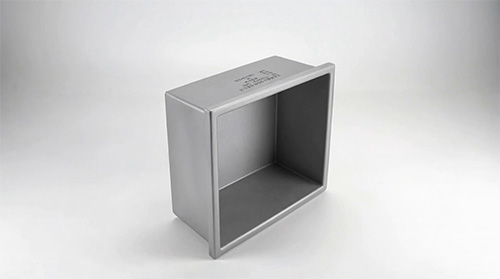
The lithium source (Such as LiOH) in NCM materials is extremely alkaline at high temperature and has high fluidity. We use α-phase strengthened alumina-based composite material, whose crystal phase is extremely stable in this temperature zone and alkaline environment, can effectively block lithium ion diffusion channels.
Aiming at the characteristic of volume shrinkage after sintering of this material, we designed specific inner cavity inclination angle and micro-texture surface, which is convenient for demolding and can reduce contact stress between material and sagger, prevent adhesion.
Laboratory test life: Under simulated working conditions, after 150 consecutive sintering, no cracking appeared, flexural strength retention rate >85%.
After use, ICP test on sintered materials, key impurity increment did not exceed detection error range.
On a head battery material enterprise production line, average service life increased from about 70 times to 160 times, product magnetic foreign matter qualification rate significantly improved.
Provide long-life, high-purity solutions, ensure gram capacity and cycle performance.
Meet the ultimate control requirements for alkali metal impurities (Such as Na, K).
Adapt to their unique sintering temperature curve and atmosphere requirements.
Withstand reducing atmosphere and silicon activity during carbonization.
The titanium alloy grid fin adopts a honeycomb-like winglet structure with a rectangular frame and an internal angle of ±45°, resembling a "flyswatter". This design achieves the following functions through the coordinated work of mult...
Extremely corrosion-resistant Under working conditions where ordinary stainless steel would quickly become perforated, titanium can last for many years Light weight, high strength About 45% lighter than stainless steel, with low installation and suppor...
Clean the furnace chamber Regular cleaning: After each use, wait for the furnace chamber to cool down to below 200℃, then use a soft-bristled brush or vacuum cleaner to remove any residues, to prevent corrosion of the furnace tubes or interference with t...
Lightweight yet Highly Strong: The density of TA2 titanium alloy is approximately 4.51g/cm³, which is only about 60% of steel, yet its strength is comparable to many high-grade steels. This characteristic enables TA2 titanium alloy to reduce weight i...
1. Industrial field Chemical pipeline: transporting highly corrosive media (such as sulfuric acid and hydrochloric acid), with the inner tube made of PTFE or titanium alloy, the outer tube made of carbon steel, and an interlayer for corrosion prevention ...
The 310S rotary kiln achieves dynamic heating of materials through the rotation of its cylinder. Its core design includes: Furnace tube structure: Material: 310S seamless steel pipe or welded pipe is used, with the wall thickness customized according to...